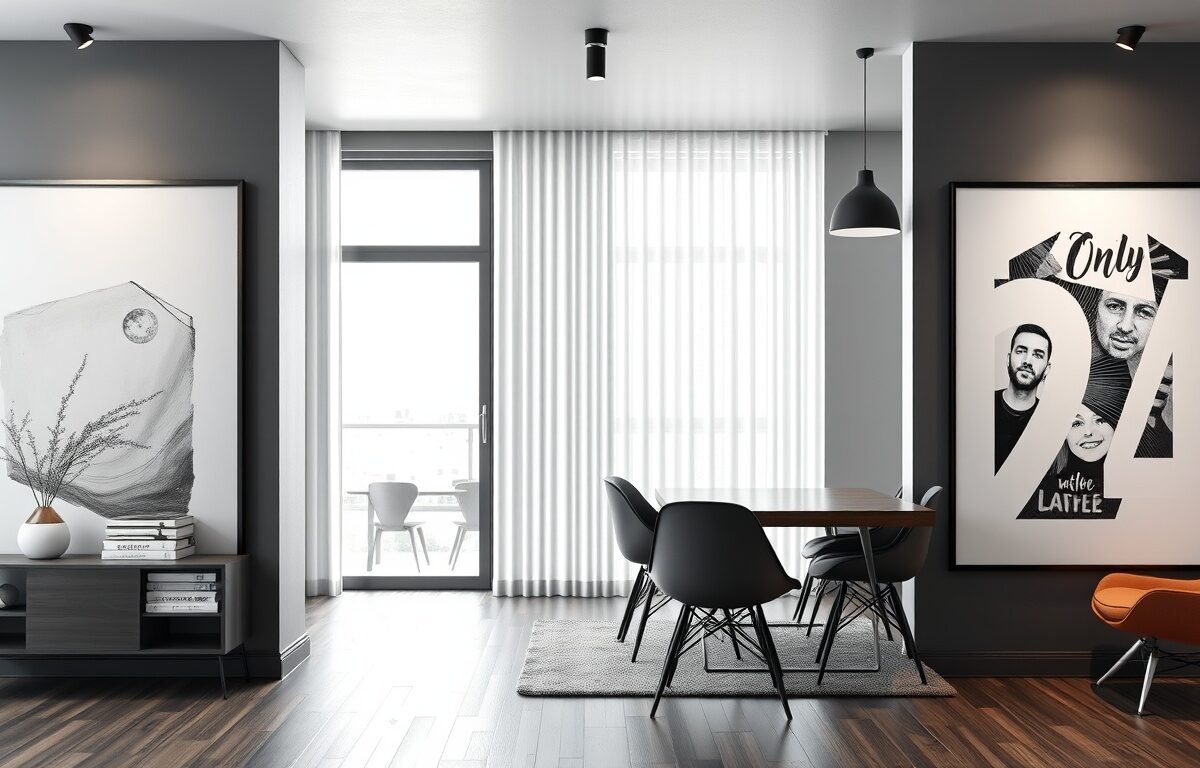
If you’ve searched for designmode24 interior design and come away more confused than when you started, you’re not alone. Most articles on this topic repeat the same vague phrases — “balance,” “simplicity,” “modern comfort” — without ever explaining what any of it actually means or how to apply it in a real home. This guide fixes that. No filler, no recycled definitions. Just a clear breakdown of what designmode24 interior design is, how it works, and how to use it room by room.
What Is DesignMode24 Interior Design?
At its core, designmode24 interior design refers to a home styling approach built around three things: functional layouts, intentional material choices, and comfort-first furniture selection. It isn’t tied to one fixed aesthetic — it’s more of a decision-making framework than a rigid style rulebook.designmode24 interior design
Instead of picking furniture because it’s trending, designmode24 interior design asks a simpler question first: does this piece actually work for how you live in this room? That single shift changes almost every decision that follows — from scale to lighting to material.
Here’s the honest breakdown of what separates this approach from generic “modern home decor” advice: interior design designmode24
| Traditional Decor Advice | Designmode24 Interior Design |
|---|---|
| Buy trending pieces first | Measure the room and plan layout first |
| Match a fixed style (e.g., “boho,” “farmhouse”) | Blend styles based on function and comfort |
| Prioritize looks in photos | Prioritize daily usability |
| Fast furniture, frequent replacement | Fewer, longer-lasting pieces |
| Flat, single-texture rooms | Layered textures for depth |
Why Designmode24 Interior Design Starts With Measurements, Not Shopping
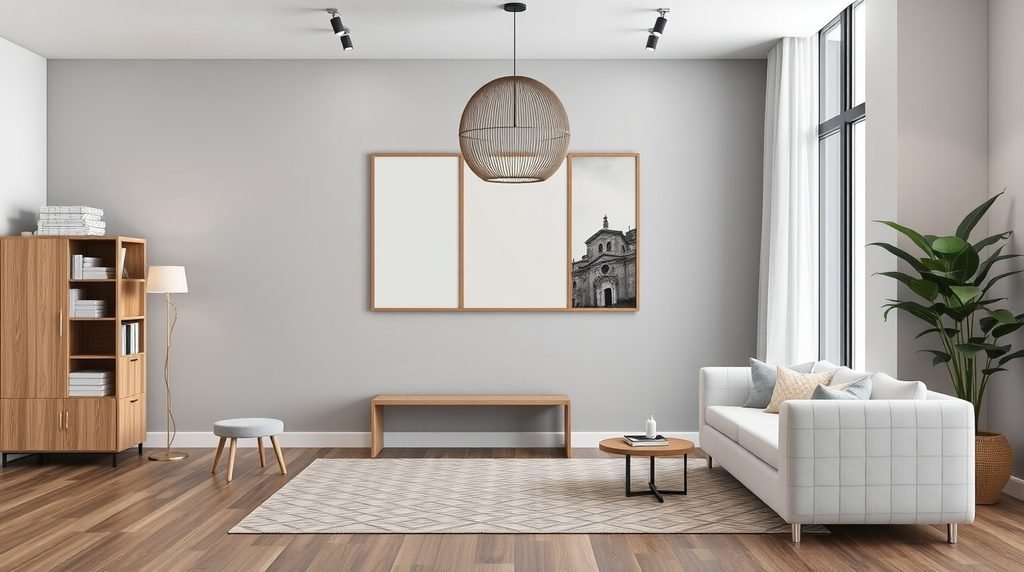
Most people get this backwards. They shop first, then try to make furniture fit the room. Designmode24 interior design flips that order.
Before buying anything, do this:
- Measure the full room, including doorways and windows
- Mark furniture footprints on the floor using painter’s tape
- Walk through the space as if the furniture were already there
- Check clearance space around each piece (minimum 30 inches for walking paths)
- Note natural light direction before deciding on furniture placement
This step sounds basic, and that’s exactly why most people skip it. But scale mistakes are the single most common reason a room feels “off” even when every individual item is nice on its own. A sofa that’s 6 inches too long for a wall throws off the entire visual balance of a living room, no matter how good the fabric or color looks in isolation.
Why Scale Mistakes Happen So Often
Online furniture shopping shows pieces in isolation, often photographed to look larger or smaller than they are. Without a tape-marked footprint, it’s nearly impossible to judge how a piece will actually sit in your space until it arrives — at which point returns become expensive and inconvenient.
The Core Principles Behind Designmode24 Interior Design
There are four principles that consistently show up across well-executed designmode24 interior design projects. Each one has a practical action attached to it — not just a concept.
1. Comfort-First Furniture Selection
The shift away from thin-legged, slim-profile furniture toward deeper, rounder, sink-into-it seating isn’t just a trend — it reflects a real change in priorities. People want furniture that functions as a resting place, not just a visual anchor.
How to apply it:
- Choose sofas with a seat depth of at least 22 inches for lounging comfort
- Prioritize high-density foam cushions (look for a foam density rating above 1.8 lb/ft³)
- Test seating in person when possible before buying online
2. Material Quality Over Quantity
Designmode24 interior design treats furniture as a long-term investment rather than a disposable purchase. Fast-furniture pieces typically show wear within 18 to 30 months. Solid wood frames, natural upholstery, and high-density cushioning can last 15 to 20 years with proper care.
What to check before buying:
- Frame material (solid wood or plywood vs. particleboard)
- Upholstery fabric composition (natural fibers wear differently than synthetic blends)
- Joinery method (screwed and glued joints outlast staples)
- Warranty length (a longer warranty often signals manufacturer confidence in durability)
3. Layered Texture Instead of Flat Surfaces
This is one of the most consistently underused tools in home styling. A room with only smooth, similar-finish surfaces feels flat, even if the color palette is well chosen.
Layer texture using a mix of:
- A woven throw blanket
- A textured or hand-thrown ceramic piece
- A soft, high-pile rug
- A wood-grain side table or shelf
- A metal or glass accent piece
No single item creates this effect — it’s the combination of contrasting textures across a room that adds visual depth.
4. Lighting That Matches Daily Routines
Lighting is frequently treated as an afterthought, added only once furniture placement is finalized. Designmode24 interior design treats lighting as part of the planning stage from the start.
Layered lighting plan:
| Layer | Purpose | Example |
|---|---|---|
| Ambient | General room illumination | Ceiling fixture or recessed lighting |
| Task | Focused light for activities | Desk lamp, reading lamp |
| Accent | Highlights specific features | Wall sconces, picture lights |
A room relying on a single overhead light source almost always feels harsher and less inviting than one using two or three light sources at different heights.
Applying Designmode24 Interior Design Room by Room
General principles are useful, but the real value comes from applying designmode24 interior design to specific spaces. Here’s how it breaks down by room.
Living Room
- Anchor the room around one comfort-first seating piece (sofa or sectional)
- Keep walking paths at least 30 inches wide
- Add at least three texture types (rug, throw, accent decor)
- Use layered lighting with a floor lamp plus ceiling fixture
Bedroom
- Prioritize a supportive bed frame and quality mattress over decorative headboards
- Keep nightstands proportional to bed height (within 2-4 inches of mattress top)
- Use soft, warm-toned lighting near the bed for evening routines
- Limit decorative clutter on surfaces to maintain a restful feel
Small Apartments
- Choose multi-functional furniture (storage ottomans, extendable tables)
- Use vertical space with wall-mounted shelving instead of floor-standing units
- Stick to a tighter color palette to avoid visual clutter in compact rooms
- Mirror placement opposite windows to maximize natural light
Home Office
- Position the desk to use natural light without screen glare
- Choose an ergonomic chair over a decorative one
- Add one textured element (rug or textile) to soften a often sparse space
- Keep cable management and storage built into the furniture plan, not added later
Common Mistakes That Undermine Designmode24 Interior Design
Even people who understand the principles above often make these avoidable mistakes:
- Skipping the measuring step and relying on visual estimation alone
- Matching everything too perfectly, which removes the intentional variation that makes a room feel personal
- Ignoring lighting temperature, mixing warm and cool bulbs in the same room
- Overcrowding small rooms with too many decorative objects
- Choosing trend-driven pieces without considering how long they’ll realistically stay in style
Designmode24 Interior Design vs. Other Popular Styles
| Style | Primary Focus | Best For |
|---|---|---|
| Designmode24 Interior Design | Function, comfort, layered texture | Homeowners wanting a livable, adaptable space |
| Minimalism | Reduction, negative space | Small spaces, low-clutter preference |
| Traditional | Formal symmetry, classic materials | Larger, formal homes |
| Mid-Century Modern | Clean lines, retro shapes | Design enthusiasts with a specific era preference |
The key difference is flexibility. Designmode24 interior design doesn’t require committing to one visual identity — it adapts based on how a space is actually used, which is why it works across apartments, family homes, and offices alike.
A Simple Room Planning Checklist

Before starting any room refresh using designmode24 interior design principles, run through this list:
- Room measured and furniture footprint taped out
- Walking paths confirmed at 30+ inches
- One comfort-first anchor piece selected
- At least three texture types planned
- Lighting layered across ambient, task, and accent sources
- Material quality checked (frame, fabric, joinery)
- Budget allocated toward fewer, higher-quality pieces
Frequently Asked Questions
What does designmode24 interior design actually mean?
It refers to a home styling approach centered on function, comfort, and intentional material choices rather than following one fixed decorative style.
Is designmode24 interior design a specific style like farmhouse or minimalism?
No, it’s better described as a decision-making framework that can be applied across different styles, from modern apartments to traditional homes.
Do I need to hire a designer to apply these principles?
No, most of the core practices — measuring, layering texture, planning lighting — can be done without professional help.
How long should good furniture actually last?
Quality furniture with solid frames and durable upholstery typically lasts 15 to 20 years, compared to 18 to 30 months for fast-furniture alternatives.
What’s the biggest mistake people make in this approach?
Skipping the measuring and floor-taping step before buying furniture, which leads to scale mismatches that are hard to fix later.
Can this approach work in a small apartment?
Yes, designmode24 interior design adapts well to small spaces through multi-functional furniture and vertical storage solutions.
Final Thoughts
Designmode24 interior design isn’t about following a rigid checklist of trends — it’s about making deliberate choices that prioritize how a space actually functions day to day. Measure before you shop, choose materials built to last, layer your textures and lighting, and adapt the same core principles differently depending on the room. Do that consistently, and the result is a home that feels intentional without feeling overworked.
1 Comment