Most articles about interior design designmode24 stop at explaining what the term means and never get to the part that actually helps you. This guide skips the filler and goes straight into the specifics: measurements, budgets, materials, and room-by-room decisions you can act on this week.
What Interior Design DesignMode24 Really Means
Interior design designmode24 is a practical, function-first approach to styling a home. Instead of picking furniture and colors first and hoping they work together, this approach starts with how a room is used, then builds the visual layer on top of that.
In plain terms, it means:
- Choosing furniture based on how people actually move through a room
- Prioritizing lighting and layout before decoration
- Mixing materials and textures intentionally instead of matching everything
- Making decisions that hold up in five years, not five months
This is different from a “look” or a trend. It’s a decision-making order — function, then comfort, then style.
The Core Principles Behind Interior Design DesignMode24
Function Before Finish
Before choosing a paint color or a rug, define what the room needs to do. A living room used for hosting needs different seating than a living room used mainly for solo TV nights. A kitchen used for daily cooking needs different counter clearance than one used mainly for reheating takeout. designmode24 contact
Scale and Proportion
Measure the room and mark furniture footprints on the floor with painter’s tape before buying anything. This single step prevents the most common interior design mistake: furniture that’s too large or too small for the space. A sofa that overwhelms a 12×14 room, or a rug that floats disconnected from the seating, breaks the whole layout even if every individual piece is well chosen.
Texture Layering
A room with one texture — all smooth, all matte, all hard surfaces — reads as flat no matter how good the color scheme is. Combining a woven throw, a rough ceramic vase, a soft rug, and a wood-grain table creates depth that a single material can’t achieve on its own.
Room-by-Room Interior Design DesignMode24 Breakdown
Living Room
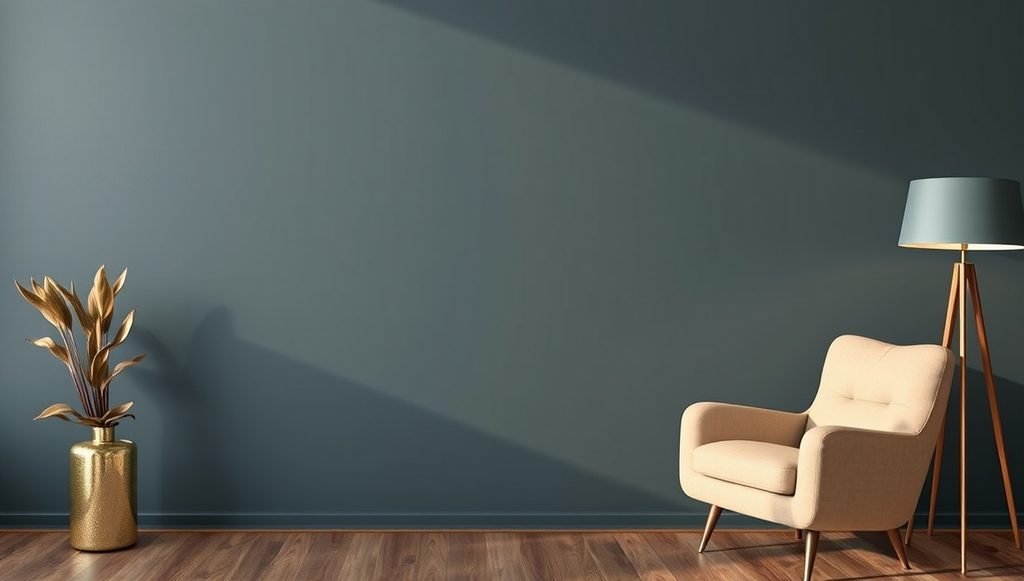
The living room carries the most foot traffic and the most competing needs: conversation, screen time, storage, and sometimes work. Start with a seating arrangement that faces inward, not just toward the TV.
- Leave 30–36 inches of walking clearance between furniture pieces
- Anchor the room with a rug large enough for at least the front legs of every seating piece to rest on it
- Layer three light sources minimum: overhead, task, and ambient (a floor lamp or table lamp)
- Choose a sofa depth based on how people actually sit — deep and rounded for lounging, firmer and shallower for a room that also functions as a home office
Bedroom
A bedroom needs calm, not visual noise. Interior design designmode24 treats the bedroom as the one room where less really is more.
- Keep the color palette within two to three tones
- Use blackout or layered curtains for light control, not just decoration
- Position the bed away from direct sightlines to the door where possible, since this is a comfort factor most people don’t realize matters
- Limit nightstand clutter to three functional items: lamp, a place for a phone, and one personal object
Kitchen
Kitchens need durability first. This is the one room where interior design designmode24 puts function ahead of aesthetics almost entirely.
- Task lighting under upper cabinets is non-negotiable for prep areas
- Choose countertop materials based on maintenance tolerance, not just looks — quartz for low maintenance, butcher block for warmth but higher upkeep
- Keep a clear work triangle between stove, sink, and refrigerator
- Open shelving works only if you’re realistic about how tidy you’ll keep it
Home Office
A home office needs focus support, not just a desk in a corner.
- Position the desk perpendicular to, not facing, the main light source to avoid screen glare
- Add closed storage for anything not used daily — visual clutter reduces focus
- Use a task chair with real lumbar support over a decorative chair that looks better in photos
Small Apartments and Rentals
This is one of the most underserved parts of interior design designmode24, since most guides assume unlimited space and permanent walls.
- Use furniture that serves two functions: a storage ottoman, a daybed that doubles as seating
- Rely on removable wallpaper, tension curtain rods, and peel-and-stick backsplash for renter-safe changes
- Vertical storage (tall bookcases, wall-mounted shelving) recovers floor space without needing more square footage
- Mirrors placed opposite windows increase perceived light and space without any construction
2026 Trends Shaping Interior Design DesignMode24
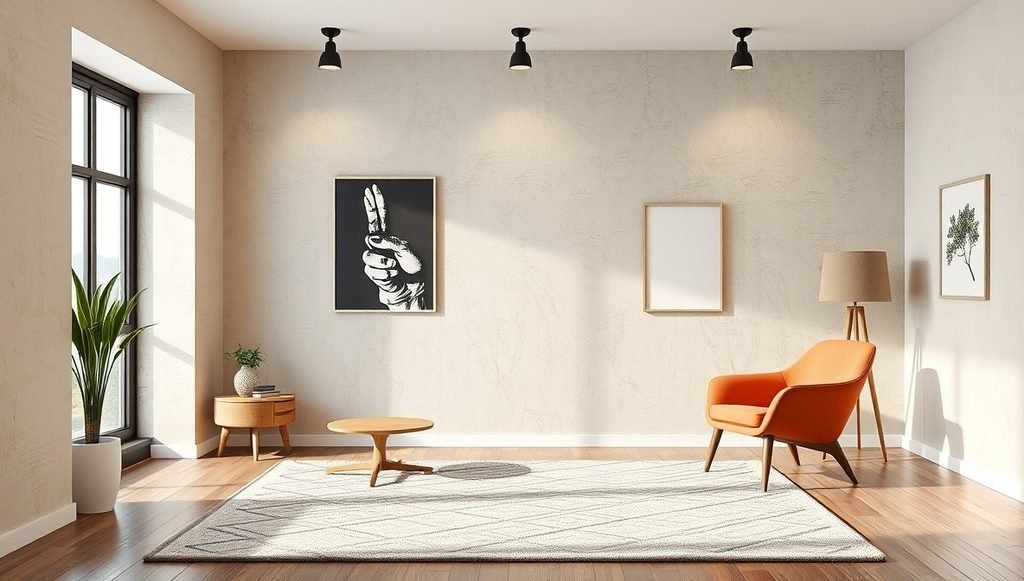
Comfort has replaced the slim, thin-leg furniture aesthetic that dominated the past decade. Deep, rounded seating that you actually sink into is now the default expectation for a living room’s anchor piece, not a bonus feature.
Material quality has become the deciding factor over quantity. Solid wood frames, high-density foam, and natural upholstery can last fifteen to twenty years, compared to eighteen to thirty months for fast-furniture alternatives. This shift is a direct response to years of disposable furniture that looked fine for a season and then sagged or warped.
The handcraft revival is also shaping current interior design designmode24 choices. Hand-thrown ceramics, limewash walls, and hand-stitched textiles are replacing the ultra-polished, factory-perfect look that defined the last several years. After a long stretch of highly manufactured interiors, there’s real demand for surfaces that visibly show how they were made.
Vintage and antique frames are being reintroduced into modern rooms specifically to avoid sterility. A single thicker, gilded, or carved wooden frame breaks up an otherwise contemporary space without making it feel dated.
Budget Planning for Interior Design DesignMode24 Projects
Budget is the part most guides skip entirely. Below is a realistic cost range for a mid-size US home project, broken down by scope.
| Project Scope | Typical Budget Range (USD) | What’s Included |
|---|---|---|
| Single room refresh (paint, textiles, accessories) | $500 – $2,000 | New paint, rug, throw pillows, lighting swap |
| Full room redesign (furniture + layout) | $3,000 – $10,000 | New furniture, lighting plan, window treatments |
| Whole-home styling (multiple rooms) | $10,000 – $30,000 | Coordinated palette, furniture across 3–5 rooms |
| Kitchen or bathroom remodel | $15,000 – $50,000+ | Structural changes, cabinetry, fixtures |
| Hiring a professional designer (consult only) | $150 – $300/hour or flat fee $1,500+ | Space planning, sourcing, project management |
A DIY approach using interior design designmode24 principles can realistically transform one room for under $1,500 if you prioritize layout and lighting over buying all-new furniture.
Common Mistakes to Avoid in Interior Design DesignMode24 Projects
- Buying furniture before measuring the room. This is the single most common and most expensive mistake.
- Choosing a color palette before deciding on lighting. The same paint color looks completely different under warm versus cool bulbs.
- Overcrowding small rooms with decorative objects. Empty space is a design choice, not a gap to fill.
- Ignoring texture in favor of color matching. A monochrome room without texture contrast reads as flat and unfinished.
- Skipping a walking-clearance check. Furniture that blocks natural traffic paths makes a room feel smaller than it is, regardless of square footage.
How to Start an Interior Design DesignMode24 Project This Week
- Pick one room and write down its three main functions.
- Measure the room and tape out furniture footprints on the floor.
- Identify your current light sources and note where task lighting is missing.
- Choose a two-to-three color palette based on the room’s function, not current trends.
- List what you’re keeping, what needs replacing, and set a budget range from the table above.
This order — function, layout, light, color, furniture — is the core sequence behind every successful interior design designmode24 project, and it works regardless of budget size.
Frequently Asked Questions
What does interior design designmode24 actually mean?
It refers to a function-first design approach that prioritizes how a room is used before choosing its visual style, colors, or furniture.
Is interior design designmode24 a specific style like minimalism or farmhouse?
No. It’s a decision-making process that can be applied to any style, from modern to traditional to eclectic.
How much does an interior design designmode24 project typically cost?
A single room refresh usually runs $500 to $2,000, while a full room redesign with new furniture typically costs $3,000 to $10,000.
Can interior design designmode24 principles work in a rental apartment?
Yes. Removable wallpaper, tension rods, and multi-function furniture allow you to apply the same principles without making permanent changes.
What’s the first step in any interior design designmode24 project?
Measure the room and tape out furniture placement on the floor before buying anything — it’s the step that prevents the most costly layout mistakes.
1 Comment