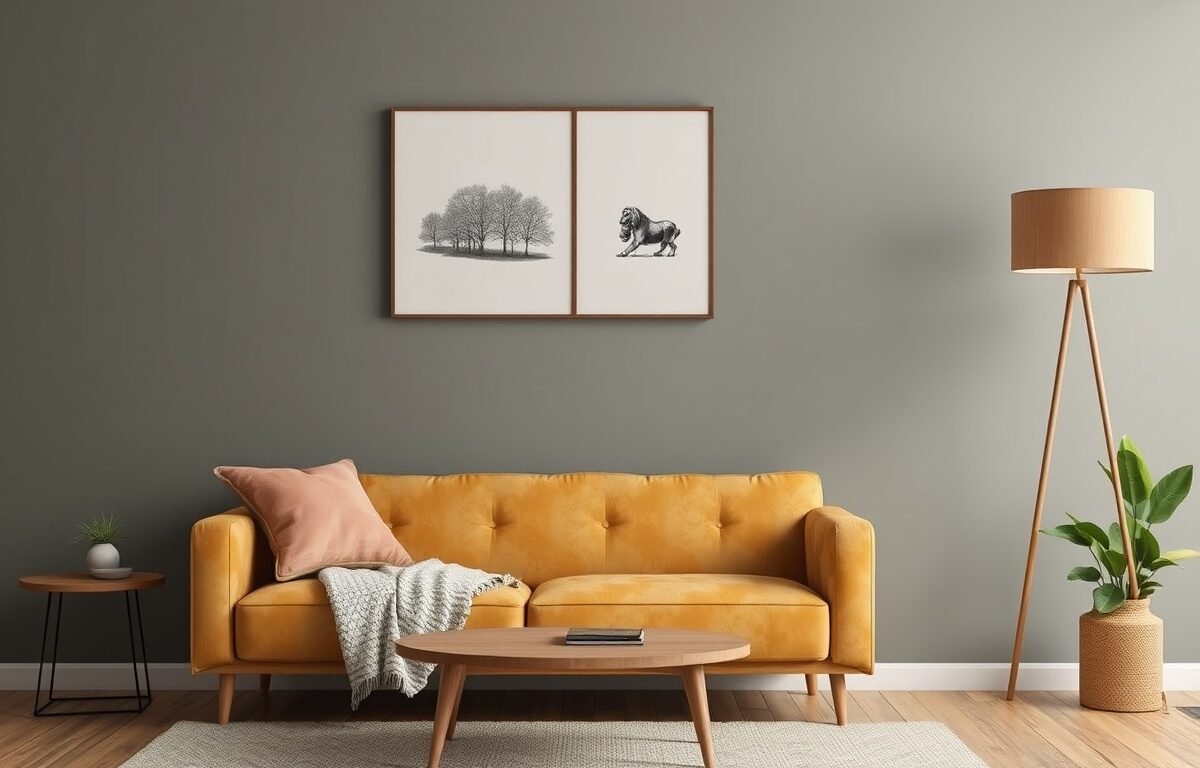
Most home design content stays vague on purpose — big ideas, no numbers, no actual plan. That’s not useful when you’re standing in your living room trying to decide whether to repaint, rearrange, or rip something out. This guide takes a different approach to inside home designmode24: real budget ranges, room-by-room specifics, and a planning process you can actually follow, not just read.
What “Inside Home Designmode24” Really Covers
At its core, inside home designmode24 is about applying structure to home design decisions — figuring out what each room needs functionally before choosing how it looks. That means starting with how a space is used, then layering in color, lighting, and furniture choices that support that use.
The mistake most homeowners make is starting with aesthetics — a paint color, a Pinterest photo — before deciding how the room actually needs to function. Inside home designmode24 flips that order: function first, style second. designmode24 interior
Why Function-First Design Works Better
A living room built around “how it looks” often ends up with furniture blocking natural walking paths or lighting that looks good in photos but is useless for reading. A living room built around “how it’s used” — conversation, TV viewing, reading, guest seating — naturally produces a layout that also looks intentional, because every piece has a reason to be there.
The Three-Step Planning Process
Before touching paint swatches or furniture catalogs, a structured project follows three steps.
| Step | What Happens | Time Needed |
|---|---|---|
| Define goals | List how the room is used and by whom | 30–60 minutes |
| Set budget | Assign a dollar range per room based on scope | 1 hour |
| Select materials | Choose colors, fixtures, and furniture within budget | 1–3 days of research |
Skipping the first two steps is why so many projects run over budget — people jump straight to shopping without a framework, and inside home designmode24 principles exist specifically to prevent that.
Room-by-Room Breakdown
This is where most articles on the topic stay vague. Here’s what each major room actually needs, with realistic budget tiers.
Living Room
The living room is usually the highest-traffic space in the home, so it needs the clearest circulation path — a walkway of at least 30 inches between furniture pieces.
| Budget Tier | What You Get | Estimated Cost |
|---|---|---|
| Under $500 | New throw pillows, rearranged furniture, one accent piece | $150–$500 |
| $500–$2,000 | New area rug, updated lighting, accent chair | $500–$2,000 |
| $2,000+ | New sofa, custom shelving, full lighting overhaul | $2,000–$6,000+ |
Quick wins for the living room:
- Float furniture away from walls to create a conversation zone
- Add a floor lamp in reading corners instead of relying only on overhead light
- Use a rug large enough that front legs of furniture sit on it, not floating in open floor
Kitchen
Kitchen changes have the highest cost-to-impact ratio if planned wrong, so this is where budget tiers matter most.
| Budget Tier | What You Get | Estimated Cost |
|---|---|---|
| Under $500 | New hardware, painted cabinet doors, updated lighting fixtures | $200–$500 |
| $500–$3,000 | Refaced cabinets, new backsplash, updated countertop edges | $1,500–$3,000 |
| $3,000+ | Full cabinet replacement, new countertops, layout changes | $5,000–$20,000+ |
Practical kitchen tips:
- Vertical cabinets and open shelving make small kitchens feel larger
- Under-cabinet lighting solves the most common kitchen complaint: dark countertops
- Mixed materials (wood + matte black hardware, for example) read as intentional, not mismatched
Bedroom
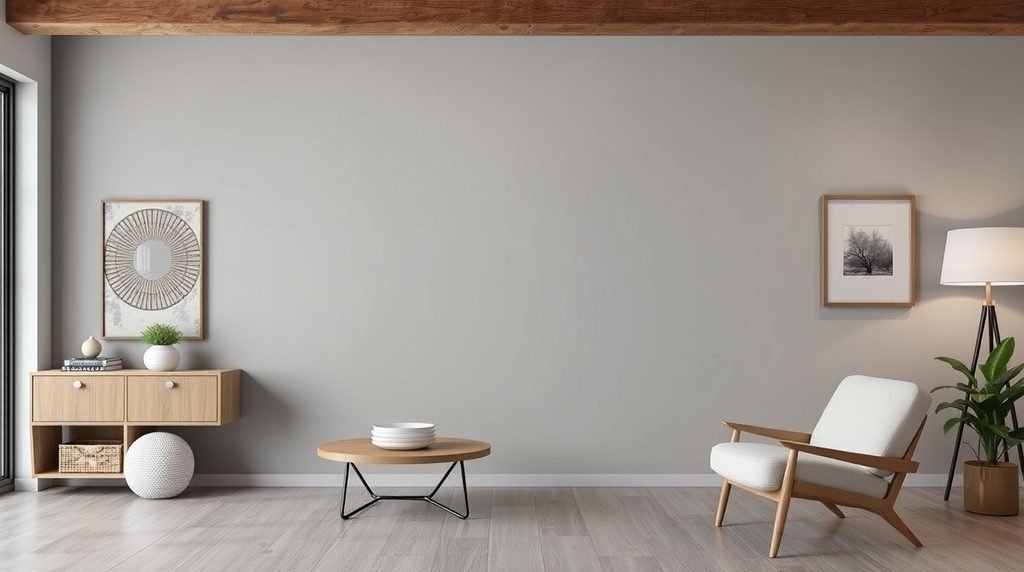
Bedrooms need the least furniture but the most attention to lighting layers, since they serve both rest and function (reading, dressing, working).
| Budget Tier | What You Get | Estimated Cost |
|---|---|---|
| Under $500 | New bedding, blackout curtains, bedside lamps | $150–$500 |
| $500–$2,000 | Upgraded headboard, new rug, layered lighting | $500–$2,000 |
| $2,000+ | Custom closet system, new furniture set | $2,500–$7,000 |
Entryway
Small space, disproportionate impact — the entryway sets the tone for the whole home and is one of the cheapest spaces to improve.
| Budget Tier | What You Get | Estimated Cost |
|---|---|---|
| Under $300 | Wall hooks, a mirror, a console table | $100–$300 |
| $300–$1,000 | Built-in bench, storage cabinet, statement lighting | $300–$1,000 |
Lighting: The Most Underrated Element
Every room section above references lighting because it’s the cheapest way to improve a space and the most commonly ignored. Good lighting design layers three types:
- Ambient lighting — the main source, usually overhead, that lights the whole room
- Task lighting — focused light for specific activities like reading or cooking
- Accent lighting — highlights a feature, like artwork or a shelf display
A room with only ambient lighting (a single overhead fixture) will always feel flat, no matter how good the furniture or paint choice is. This is one of the simplest principles behind inside home designmode24 that homeowners consistently skip.
Color Selection Without the Guesswork
Color advice usually stays abstract (“use neutrals with bold accents”). Here’s a more specific breakdown by room type.
| Room | Recommended Base | Accent Approach |
|---|---|---|
| Living Room | Warm neutral (greige, soft tan) | One bold wall or textile accent |
| Kitchen | White or light neutral | Black or brass hardware for contrast |
| Bedroom | Muted cool tone (sage, soft blue) | Layered textures over bold color |
| Entryway | Deeper tone (navy, charcoal) | High-contrast trim or mirror frame |
The goal isn’t matching every room — it’s creating a consistent thread (a repeated material, metal finish, or tone) that carries through the home so each room feels connected without being identical.
DIY vs. Hiring a Professional
This decision point gets skipped in most design content, but it’s often the biggest factor in whether a project succeeds or stalls.
DIY makes sense when:
- The project is cosmetic (paint, hardware, lighting fixtures, furniture arrangement)
- No electrical or plumbing work is involved
- The budget is under $2,000 and mistakes are low-risk
Hiring a professional makes sense when:
- The project involves structural changes or moving walls
- Electrical or plumbing modifications are required
- The budget exceeds $5,000 and errors would be costly to fix
A good middle ground: hire a designer for a single consultation (typically $150–$300/hour) to get a plan, then execute it yourself. This is a practical version of inside home designmode24 thinking — getting expert input without paying for full-service design fees.
Sourcing Materials Without Overspending
- Check outlet and clearance sections of major retailers before custom orders
- Buy statement pieces (a rug, a light fixture) at full price, but source basics (paint, hardware) at budget retailers
- Reuse or refinish existing furniture before replacing it — refinishing costs 30–50% less than buying new
- Order fabric and paint samples before committing to a full purchase; lighting changes color perception significantly
Common Mistakes to Avoid
- Choosing paint color before testing it under the room’s actual lighting at different times of day
- Buying furniture sized for the showroom, not the actual room dimensions
- Skipping a budget breakdown and running out of funds mid-project
- Ignoring traffic flow when placing furniture, creating awkward walking paths
- Over-decorating small rooms, which makes them feel smaller, not more finished
Frequently Asked Questions
How much does a small living room refresh actually cost?
A basic refresh — pillows, a rug, and rearranged furniture — typically runs $150 to $500 depending on quality choices.
Is it worth hiring a designer for one room?
Yes, for a single consultation to get a layout and color plan, then execute the work yourself to save on full-service fees.
What’s the cheapest way to improve a kitchen’s look?
New cabinet hardware and updated lighting fixtures deliver the biggest visual change for under $500.
How do I know if a room’s lighting is actually working?
If the room relies on one overhead fixture and feels flat or has heavy shadows, it’s missing task or accent lighting layers.
Should I match colors exactly across every room?
No — repeat one consistent element (a finish, a tone, a material) instead of using identical colors everywhere.
How long does a full room redesign usually take?
Cosmetic updates take a few days to a week; full furniture and layout changes typically take two to six weeks depending on order lead times.
Final Thoughts
Inside home designmode24 works best as a practical system, not a mood board. Start with function, set a real budget per room, layer lighting properly, and choose materials that connect rooms without forcing a perfect match. The homes that feel most put-together aren’t the ones with the biggest budgets — they’re the ones where every decision had a clear reason behind it.
1 Comment